Tending the Web of Life: Cultivating Community Through Regenerative Design for Migratory Birds
Learning Together, Restoring Together: Hands-on projects focused on migratory birds—indicators of our shared future—that unite communities across borders to reimagine science and restore landscapes for all
Our Approach
We believe in organizing for "unforgetting"—a process of remembering how the past continues to shape the world we live in and reconnecting with the web of life that sustains us. We use the term "Plantationocene," borrowed from scholar Donna Haraway, to describe the ongoing legacy of human activities, such as large-scale farming and resource extraction, that have transformed landscapes and disrupted the balance of nature. Through hands-on, project-based learning, we bring together university community-engaged learning participants, high school service clubs, Rotary groups, church youth organizations, and other community partners to collaborate on meaningful activities. A central focus is rewilding landscapes to support migratory birds, restoring habitats while deepening our connection to the natural world. These efforts go beyond environmental restoration—they aim to spark a shift in how we think, act, and care for one another and the planet, fostering a renewed sense of belonging within the interconnected web of life.
Theory of Change
Leveraging Community for Meta-Cultural Transformation
To address the deep-rooted cultural dynamics that perpetuate ecological harm and social inequality, we must focus on leverage points—key areas within systems where small, strategic interventions can lead to significant, transformative change. Our theory of change centers on the idea that meta-cultural transformation—a shift in the underlying values, beliefs, and practices that shape society—can be achieved by engaging community-based entities such as church congregations, Rotary clubs, and high school classes. These groups serve as powerful leverage points because they are deeply embedded in local communities, foster trust and relationships, and have the capacity to influence both individual and collective behavior.
The Problem: Cultural Blind Spots, Power Dynamics, and Resistance to Change
Much of the education and charity work in our current system is designed to help individuals excel within the existing structures or to provide assistance for assimilation into those structures. While well-intentioned, these efforts often fail to critically examine the systems themselves, reinforcing the very power dynamics and cultural norms that are at the root of ecological and social harm. Donors and leaders in these systems are rarely challenged to reflect on their own roles in perpetuating inequality or to question the extractive logics that underpin their actions. This lack of introspection perpetuates a cycle where those in positions of power remain in control, while those who are marginalized are cast in the role of needing to be "saved."
Our project seeks to disrupt this dynamic by centering the voices of those who are conventionally assigned to the role of "the saved" and empowering them to take on active leadership in solving the problems we face. At the same time, we aim to create opportunities for those accustomed to leading to step back, listen, and learn. This shift in roles is essential for addressing the cultural blind spots that normalize extractive practices and for fostering the kind of deep, systemic change that is needed.
The Solution: Migratory Birds as a Unifying Focus
Migratory birds provide a unique and powerful entry point for addressing these cultural challenges. As "canaries in the coal mine," they reveal the interconnectedness of ecological and social systems, highlighting the consequences of harmful practices like industrial farming, extractive land use, and monocropping. At the same time, migratory birds symbolize connection and shared responsibility, as their survival depends on healthy ecosystems across vast regions and diverse communities. By focusing on the well-being of migratory birds, we can foster a sense of shared purpose that bridges differences, inspires collaboration, and challenges entrenched power dynamics.
Leverage Points for Meta-Cultural Change
Church Congregations:
Faith-based communities are uniquely positioned to drive cultural change because they are rooted in shared values and moral frameworks. Many faith traditions emphasize stewardship, care for creation, and the pursuit of justice, which align with the principles of ecological and social regeneration. By engaging congregations in projects that support migratory birds—such as habitat restoration, community education, or advocacy—we can connect these values to tangible actions, fostering a deeper sense of purpose and responsibility. Importantly, these efforts can also challenge congregations to reflect on their own practices and assumptions, encouraging a shift from charity to mutual partnership and learning.Rotary Clubs and Civic Organizations:
Rotary clubs and similar civic groups are built on principles of service, leadership, and community engagement. These organizations often have the resources, networks, and influence to mobilize action at both local and global levels. By partnering with Rotary clubs to implement "glocal" initiatives—such as creating bird-friendly spaces, supporting sustainable agriculture, or hosting educational events—we can leverage their capacity to address systemic issues while fostering cross-community collaboration. These efforts also provide an opportunity for civic leaders to engage in critical introspection, examining how their own practices and assumptions may contribute to the problems they seek to solve.High School Classes and Youth Engagement:
High school students represent the next generation of leaders and changemakers. By integrating migratory bird-focused projects into curricula—through science, art, or social studies classes—we can inspire young people to think critically about the interconnectedness of ecological and social systems. Hands-on, project-based learning opportunities, such as building birdhouses, planting native species, or tracking bird migration patterns, can empower students to take action while fostering a sense of agency and hope. These projects also challenge traditional hierarchies by positioning young people as leaders and innovators, capable of driving change in their communities.
Overcoming Resistance to Change
Focusing on migratory birds allows us to sidestep polarizing debates and instead center the conversation on a shared, tangible goal: the well-being of these remarkable creatures and the ecosystems they depend on. Birds are universally appreciated and admired, making them a non-threatening and accessible symbol for change. By framing efforts around the care and protection of migratory birds, we can create a sense of unity and shared responsibility that transcends differences in ideology, culture, or background. Additionally, by centering the voices of those who are often marginalized, we can challenge power dynamics and foster a more inclusive and equitable approach to problem-solving.
The Path Forward: Building a Regenerative Future
By engaging church congregations, Rotary clubs, and high school classes as leverage points, we can catalyze a ripple effect of cultural transformation. These groups, when mobilized, have the power to influence broader communities, shifting mindsets and practices toward regenerative design and ecological stewardship. Through this approach, we aim to create a future where humans are not seen as the problem but as vital participants in sustaining biodiversity and fostering a thriving planet.
This theory of change envisions a world where the well-being of migratory birds becomes a symbol of our collective progress—where differences are bridged, resistance is overcome, and communities come together to build a regenerative future rooted in care, connection, and mutual flourishing. By centering leadership in those who have historically been excluded from decision-making, and by encouraging those in power to listen and learn, we can create a more just and sustainable world for all.
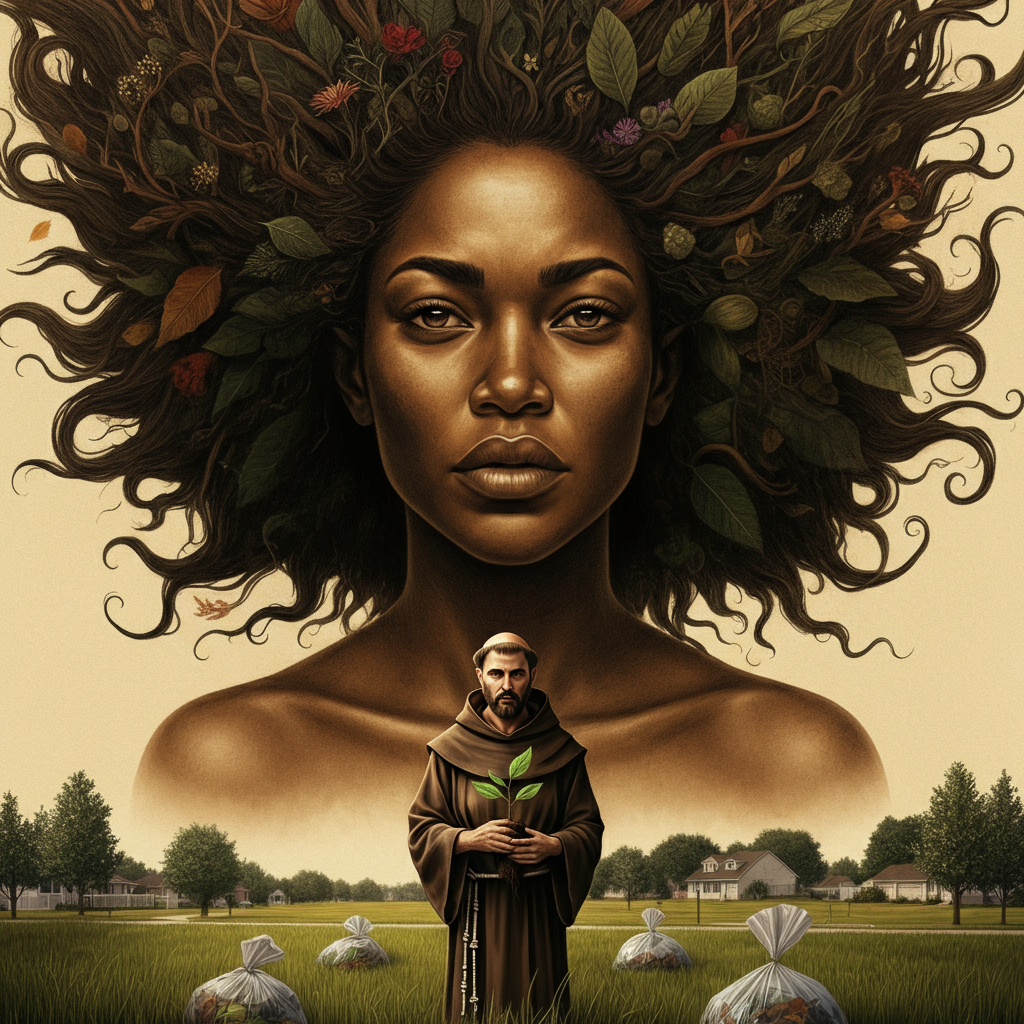
John Muir
"When one tugs at a single thing in nature, he finds it attached to the rest of the world."
Reimagining Our Role: From Plantationocene to Regenerative Futures
Solving the challenges of our time requires a fundamental shift in how we think, learn, and live. Too often, our education systems and cultural habits reinforce the same patterns of thought that created many of today’s problems, including the passive, individualistic mindset shaped by status-seeking, consumerism, and a focus on personal gain. These forces, tied to market-oriented thinking that values profit and efficiency above all else, reduce people and nature to tools for generating wealth, where education becomes merely a pathway to secure jobs and purchase what is needed or desired. Combined with teleological thinking, which assumes progress is inevitable and always moving toward a "better" future, these perspectives prioritize short-term outcomes over collective well-being and sustainability. To truly move forward, we must foster active community participation and empowerment, embracing new ways of being that center collaboration, shared accountability, and the flourishing of all life.
The late John Trudell, a poet, activist, and philosopher of Santee Dakota heritage, spoke powerfully about the need to reconnect with our humanity, intelligence, and relationship to the Earth. He described how systems of industrialization and exploitation have "coded" humanity, severing our connection to the natural world and distorting our ability to think clearly. This programming, he argued, feeds on fear and insecurity, limiting our capacity for coherent thought and action. Trudell urged us to reclaim our intelligence—not just as a tool for survival, but as a way to understand our place in the interconnected web of life. By doing so, we can break free from harmful systems and create a way of living that honors both humanity and the Earth.
Our work builds on this vision, helping individuals and communities rediscover their intelligence, humanity, and role as stewards of the planet. This approach is deeply informed by the concept of the Plantationocene, introduced by scholar Donna Haraway of UC Santa Cruz. The Plantationocene critiques the Anthropocene—the era defined by humanity’s impact on Earth—by emphasizing the systems of colonialism, extractive economics, and exploitation that have driven environmental destruction. Haraway highlights how plantation economies, built on forced labor and monoculture, have shaped ecological collapse and social inequality.
Haraway and others challenge the notion that humans are inherently destructive, instead demonstrating how Indigenous knowledge systems reveal humanity’s potential to sustain biodiversity and promote ecological flourishing. We see this as a design problem. Our focus is on regenerative design—an approach that goes beyond sustainability to actively restore ecosystems while supporting human and non-human communities. Regenerative design works in harmony with nature’s systems, creating solutions that replenish biodiversity, enhance soil health, and foster resilience. It’s about designing systems that not only minimize harm but also actively contribute to the flourishing of life.
Migratory birds are a central focus of our work. These birds, which depend on healthy ecosystems across vast regions, serve as indicators of the interconnected challenges we face, from industrial farming to extractive practices. By focusing on their well-being, we apply regenerative design principles to restore habitats, rethink land use, and foster collaboration across communities and ecosystems. Migratory birds symbolize the "glocal" connections—global and local—that we must nurture to create a thriving world.
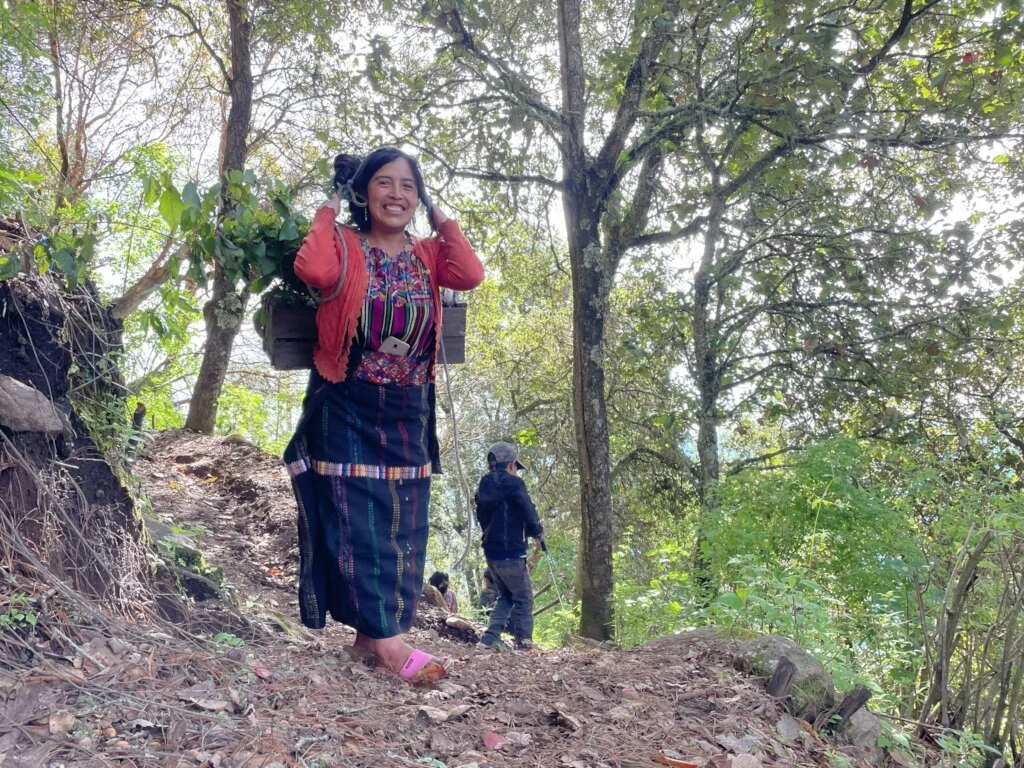
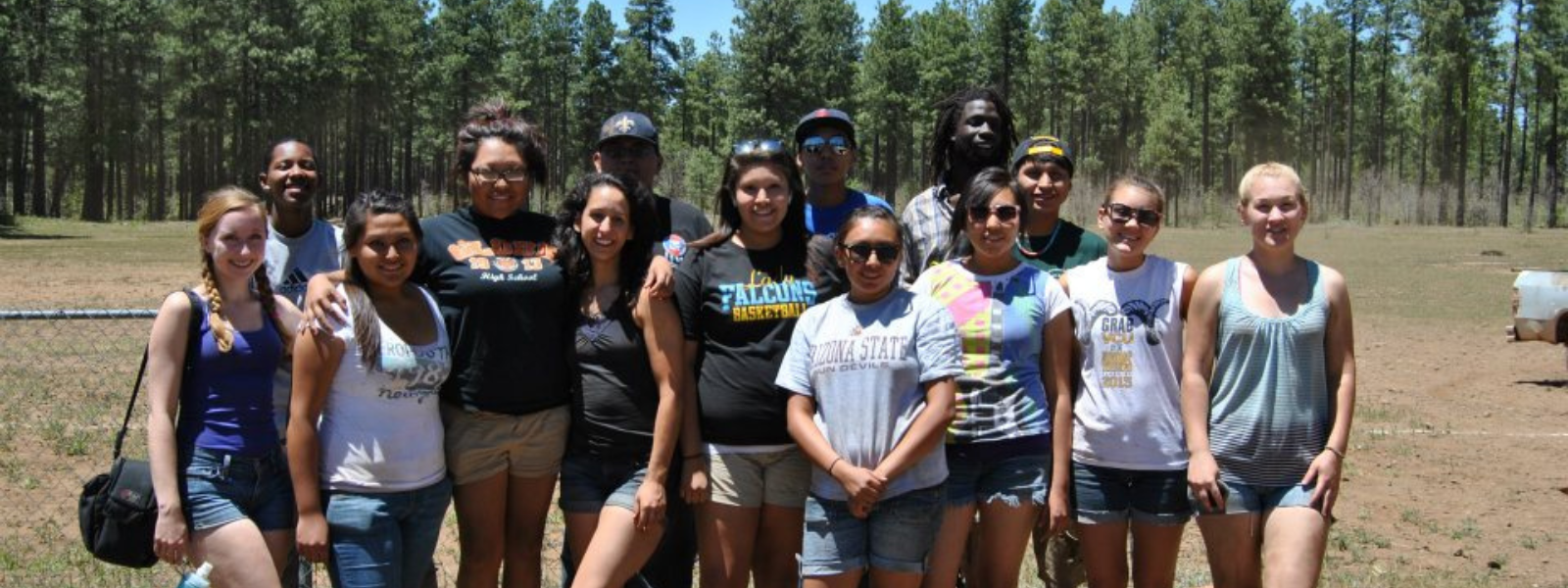
This work aligns with visions of balance and mutual flourishing found in many traditions, such as the concepts of Grace, Shalom, or Buen Vivir. By prioritizing regenerative design, we aim to build systems that allow both people and nature to thrive. Our efforts are both local and global, connecting work in Richmond, Virginia, with tribal partners in Arizona and communities in Guatemala and Ecuador. Together, we form a network of mutual support, working toward cultural and ecological transformation.
Through place-based, project-based learning, we bring people together across ethnic, class, and national divides to work on real-world challenges. By caring for migratory birds and the ecosystems they depend on, we are also transforming the systems that shape our lives. This hands-on approach helps us build a future where thoughtful, restorative practices become the foundation for a thriving planet.
Insights and Resources: A Closer Look at Our Work
-
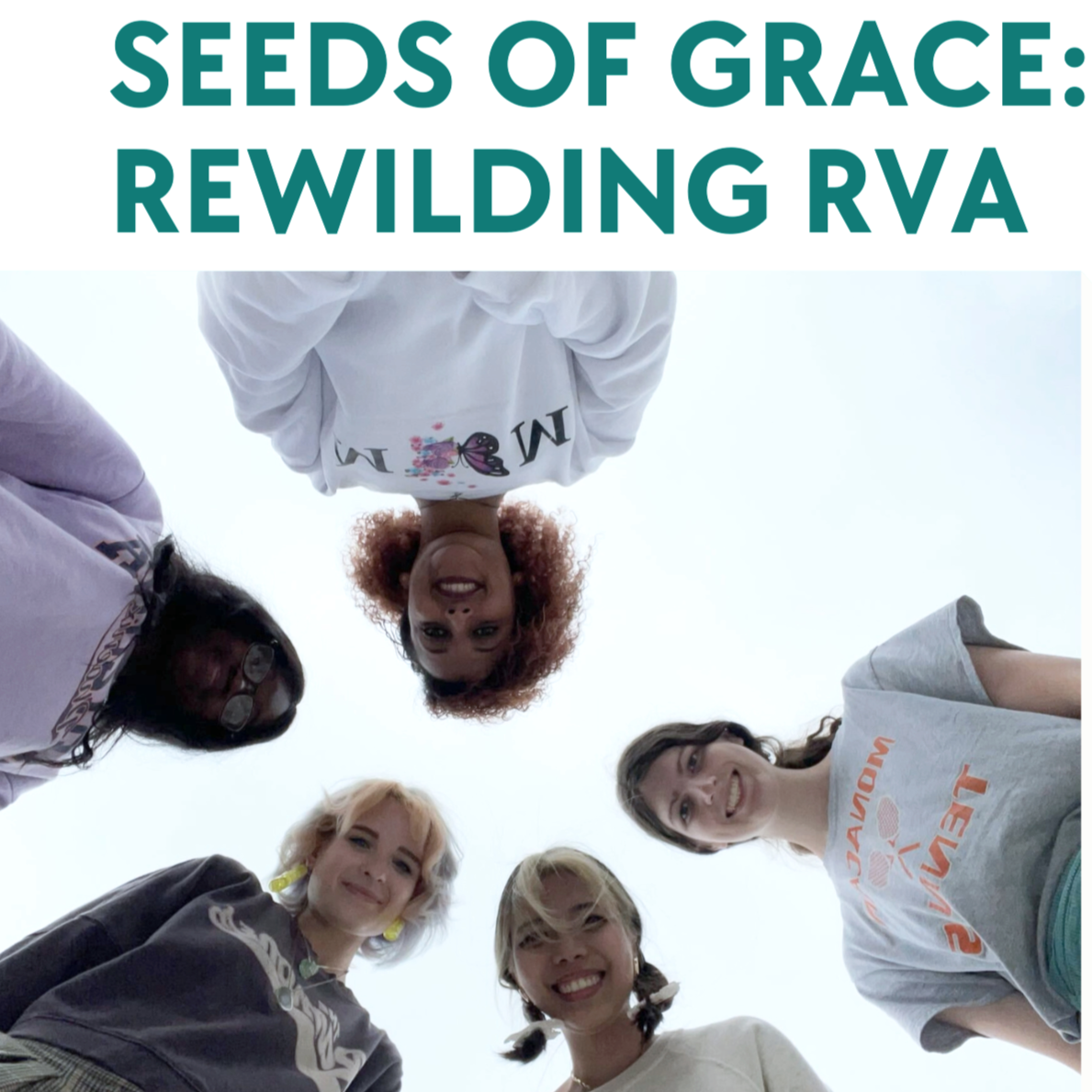
Seeds of Grace: Rewilding RVA Program Report
This report highlights the transformative work of the Highland Support Project's "Seeds of Grace" initiative. It details efforts to engage youth, congregations, and community partners in creation care through rewilding landscapes, restoring habitats for migratory birds, and fostering ecological literacy. Key accomplishments include the development of a Soil School curriculum, installation of sustainable irrigation systems, creation of pollinator gardens, and hands-on educational activities. The report showcases how these efforts inspire collaboration, environmental stewardship, and a deeper connection to the natural world.
-
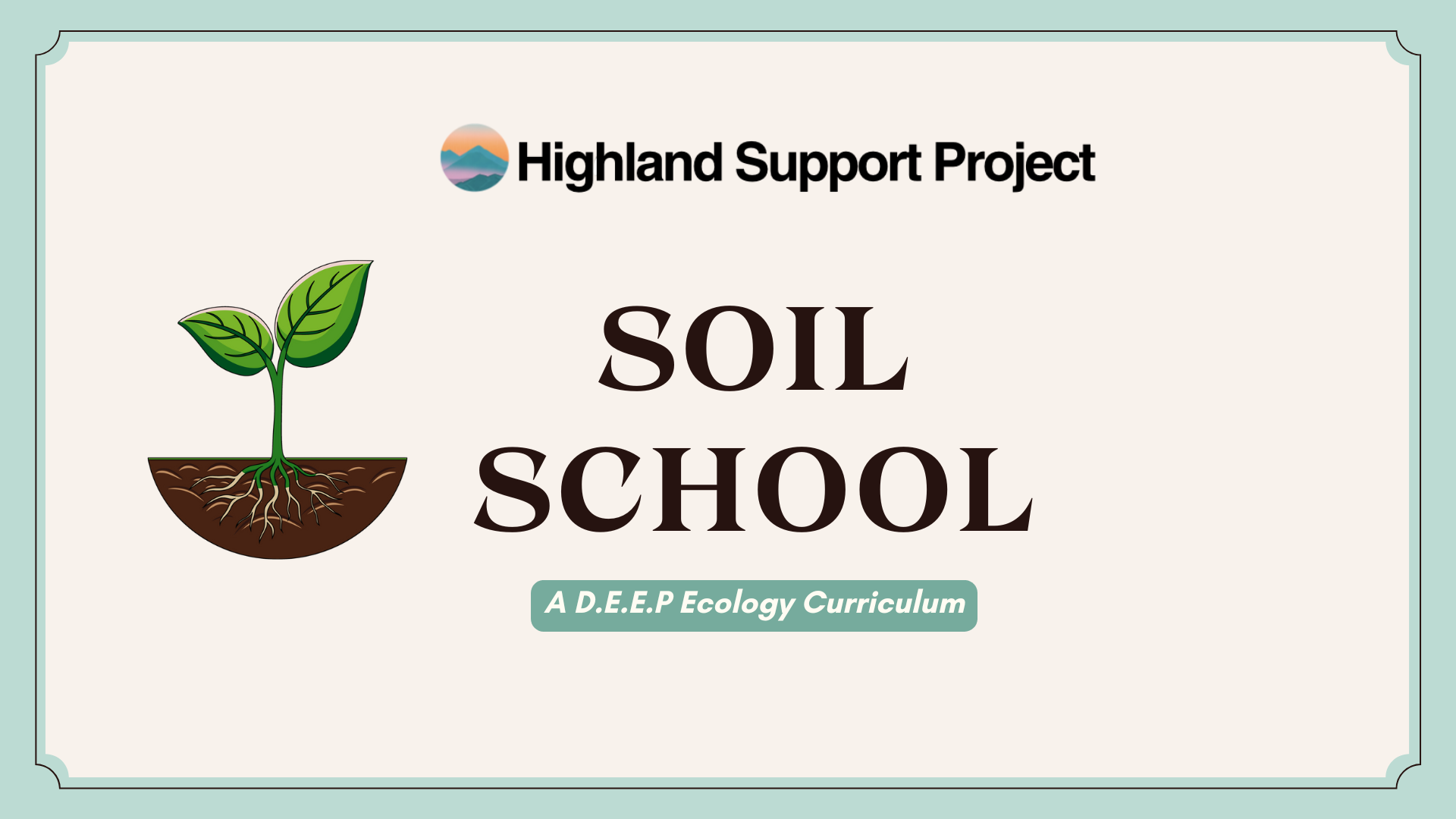
Soil School Curriculum Overview
The Soil School curriculum is a hands-on, D.E.E.P. Ecology program designed to cultivate ecological literacy and empower regenerative action. It explores soil as a living system essential to all life, highlighting the soil food web, microbial life, and Indigenous knowledge. Through modules on soil biology, ancestral practices, and biomimicry, participants learn practical techniques like composting, biochar creation, and soil testing. This curriculum fosters a deeper connection to the land, reframing soil as a partner in regeneration and collective care.
-
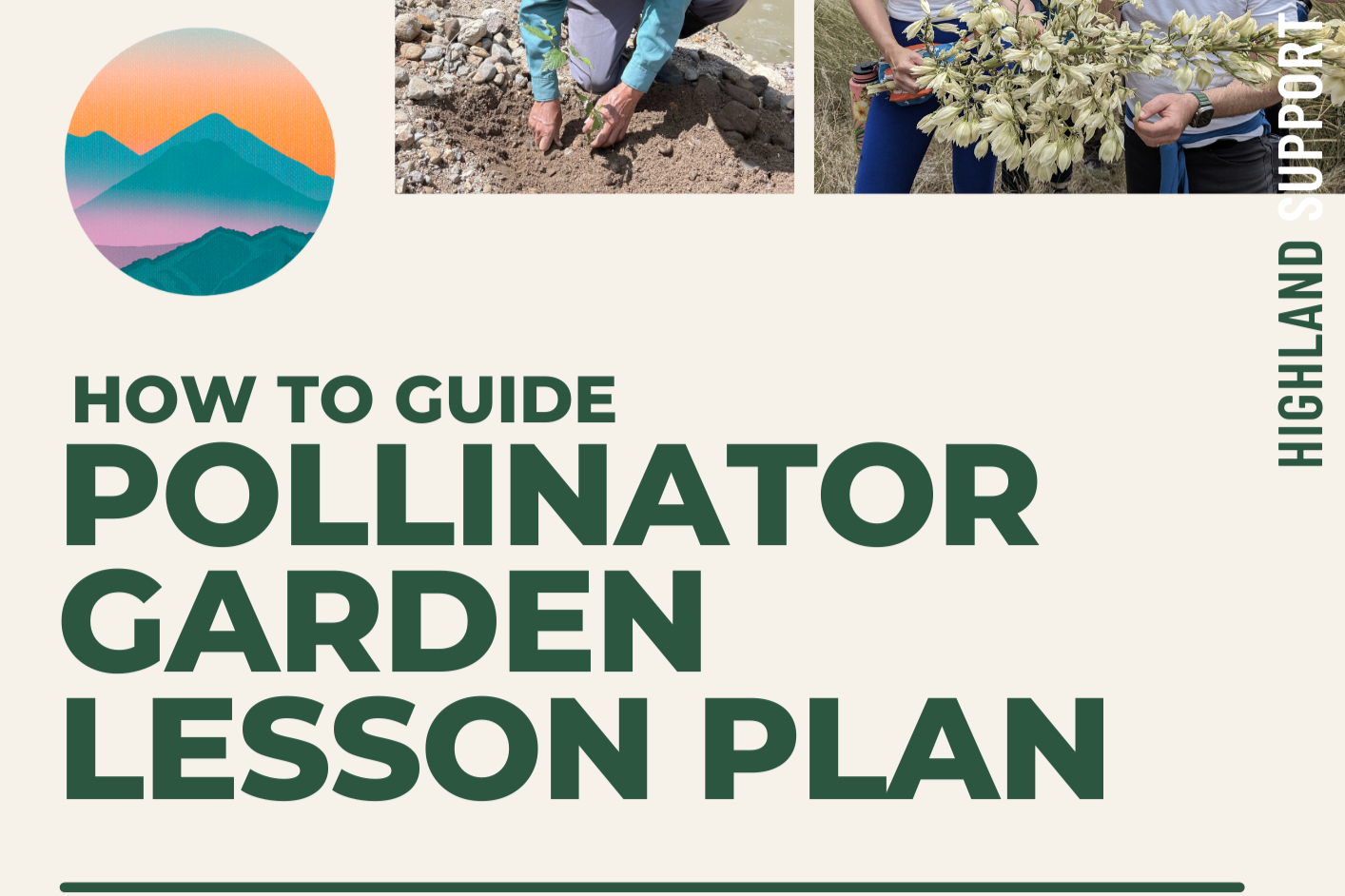
Pollinator Garden Lesson Plan
This step-by-step guide empowers classroom educators to engage students in hands-on learning about pollinator gardens. Developed by the Highland Support Project, the curriculum combines practical gardening activities with environmental education, fostering a deeper understanding of the vital role pollinators play in ecosystems. Perfect for inspiring collaboration, ecological stewardship, and community connection.