
This content has been updated since its original publication on August 16, 2024.
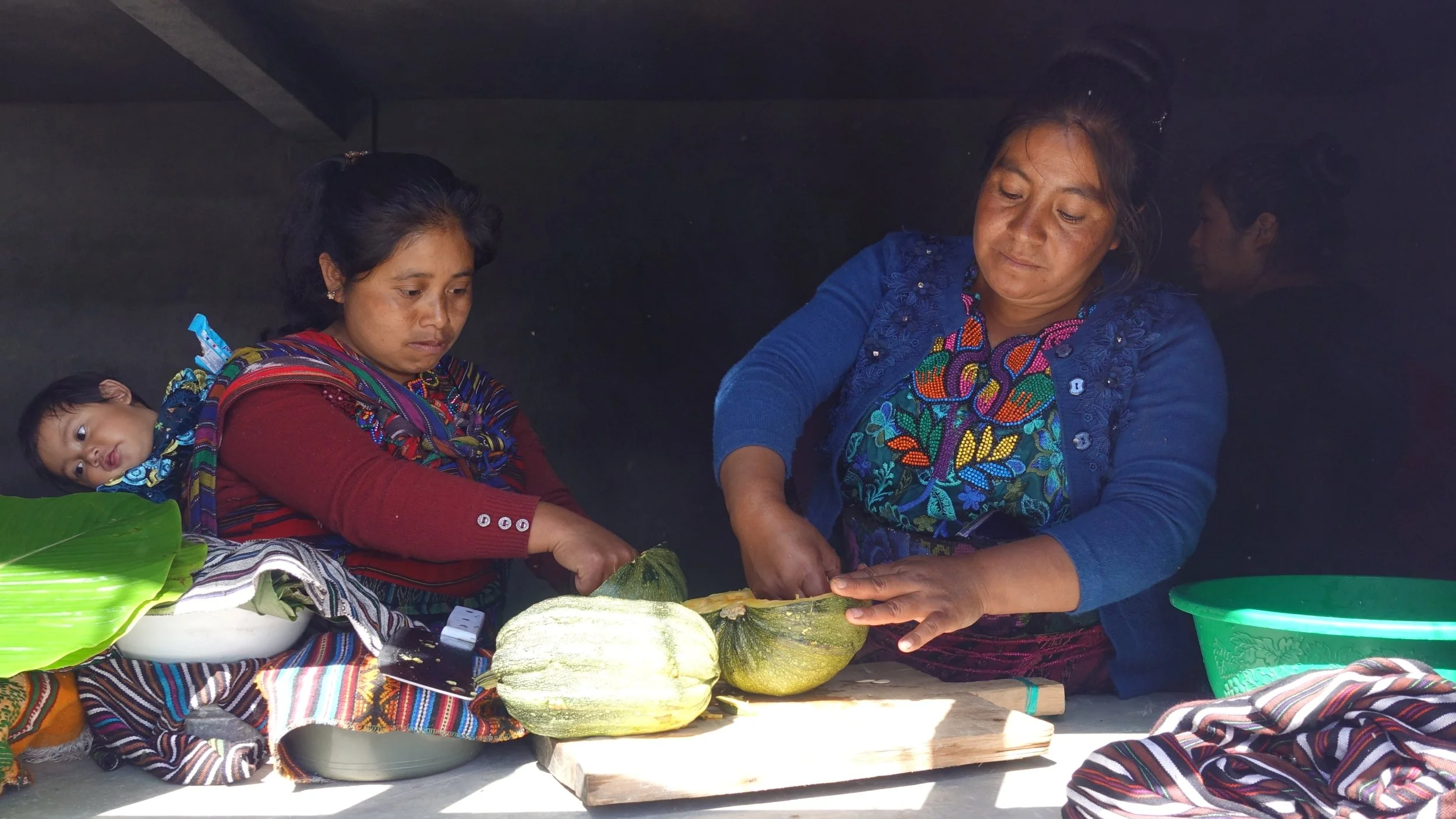
As we approach the Thanksgiving holiday, it presents an opportunity to reflect on our traditions and seek ways to enrich them through regenerative practices. This transformative approach encourages us to honor the diverse cultures and histories that shape our shared experiences. By embracing regenerative values, we can cultivate gratitude for our harvests and the land and communities they originate. This shift allows us to recognize and appreciate Indigenous wisdom, revitalizing our connections to nature and fostering sustainable community relationships. Let us reimagine Thanksgiving as a celebration of resilience, healing, and a commitment to nurturing the planet and all its inhabitants.
The Meaning of Regenerating Our Traditions
Regenerating our traditions involves reimagining and revitalizing the cultural practices and celebrations passed down through generations. It means embracing an inclusive, respectful approach and being attuned to the needs of today’s diverse society. To regenerate our traditions is to acknowledge the historical context of these practices, understand their evolution, and adapt them to honor their roots while also making space for new narratives and perspectives. This process allows us to create richer, more meaningful celebrations that resonate with the values of justice and equity. By consciously engaging with our traditions in this manner, we foster a sense of belonging and connection, empowering individuals and communities to unite in celebration while honoring the complexity of our shared histories.
The Importance of Giving Thanks
Thanksgiving has long been a cherished tradition, celebrated by millions across the United States as a time to gather with loved ones, share meals, and express gratitude. Giving thanks is not a modern invention; it is deeply rooted in the history of our agricultural, pastoral, and hunter-gatherer ancestors. Historically, these communities held festivals and rituals to honor the land, the harvest, and the intricate balance of nature that sustained their lives.
Our forebears understood gratitude was more than a fleeting emotion; it was a way of life that fostered community, resilience, and harmony with the natural world. Today, as we sit around our tables laden with food, it's worth reflecting on these ancient traditions and the wisdom they impart.
The Relationship Between Gratitude and Wellness
Modern science confirms what our ancestors knew intuitively—gratitude is good for us. Numerous studies have shown that expressing gratitude can improve mental health, stronger relationships, and physical health. Gratitude helps us shift our focus from what we lack to what we have, fostering a sense of contentment and well-being.
However, true gratitude goes beyond saying "thank you." It involves recognizing the sources of our blessings and the interconnectedness of all life. This deeper understanding of gratitude aligns perfectly with the need to re-evaluate and transform our Thanksgiving celebrations.
Embracing the Mam Culture and the Web of Life
The Mam culture of HSP & AMA's organizer, Guadalupe Ramirez, reflects the rich traditions of our partners and beautifully illustrates the concept that life is fundamentally about relationships and interconnectedness. As reflected in the writings of Robin Wall Kimmerer in "Braiding Sweetgrass," the essence of our existence is not transactional; rather, Mother Earth offers her bounty as a generous gift without expectation. In the Mam worldview, every element of the environment is regarded as a vital part of a larger web of life, fostering a deep respect and reciprocity with nature. When we express our gratitude for the gifts we receive from the earth, we acknowledge this sacred relationship, recognizing our role as stewards of the land. Through such practices of gratitude, we can cultivate a deeper connection to the environment and each other, reinforcing the belief that we are all interdependent threads in the intricate tapestry of life.
The Problematic History of Thanksgiving for a Pluriversal Society
While Thanksgiving is a time of joy and togetherness for many, it is also a painful reminder of historical injustices for Indigenous communities. The traditional narrative of Thanksgiving, which centers on a harmonious feast between Pilgrims and Native Americans, glosses over the subsequent centuries of colonization, displacement, and violence experienced by Indigenous peoples.
For a pluriversal society—a society that acknowledges and respects a multitude of perspectives and ways of being—it's crucial to confront these uncomfortable truths. The history of Thanksgiving, as it is commonly told, perpetuates a myth that erases the suffering and resilience of Indigenous communities. We must acknowledge and rectify these historical wrongs to truly honor the spirit of giving thanks.
Constructing a Future That Acknowledges the Harms of the Past
Regenerating Thanksgiving doesn't mean abandoning it; it means transforming it in ways that acknowledge the past and pave the way for a more just, sustainable, and healing future. Here are some steps we can take:
Educate Ourselves and Others Learn about Thanksgiving's true history and the experiences of Indigenous peoples. Share this knowledge with friends and family to foster awareness and understanding.
Assist with the Richmond Turkey Trot
For the second year in a row, HSP is the non-profit featured at the Richmond Turkey Trot, and we will receive a donation based on the number of volunteers who support us at this event. We are looking for volunteers to help with the Richmond Turkey Trot on the day before and the morning of the race. Your assistance during this time is just as important to us and would significantly help us run this cherished community event smoothly. Here are the details:
1) Pre-Race Packet Pickup
We are looking for volunteers to help with pre-race packet pick-up at Dick’s Sporting Goods the day before the Turkey Trot.
Date & time: Wednesday, 11/25. Shifts are available from 10:00 AM to 6:30 PM.
Location: Dick’s Sporting Goods, 1601 Willow Lawn Dr, Richmond, VA 23230
We have 10 volunteer slots available for this day.
Volunteering for packet pick-up is a wonderful way to engage with participants, share in the excitement leading up to the race, and play a crucial role in the event's success. Whether you can spare an hour or the whole day, your time and efforts will be deeply appreciated.
For any questions regarding this opportunity, please do not hesitate to get in touch with us. You can reach out directly to hello@highlandpartners.org